No classrooms full of strangers. Every ground lesson is taught one-on-one, so your instructor moves at your pace and answers your questions, not the group's.
Morning, afternoon, or weekend slots available. We work around your life, not the other way around. Financing options available, ask us about payment plans.
Part 141 means our curriculum meets the FAA's strictest standards for structure and efficiency. You train smarter, log fewer required hours, and finish faster than a traditional Part 61 program.


Your Multi-Engine Rating is one of the most impactful additions you can make to your pilot certificate. It qualifies you to fly aircraft with more than one engine, makes you a stronger and safer pilot, and is a required step on the path to airline hiring.
At Aviator Zone, you'll train in the Piper Seneca, a real twin-engine aircraft used in commercial operations, with one-on-one instruction from day one. The course is designed to be completed in approximately one week, making it one of the fastest certifications you can add to your logbook.
What your Multi-Engine Rating unlocks:
What to expect:
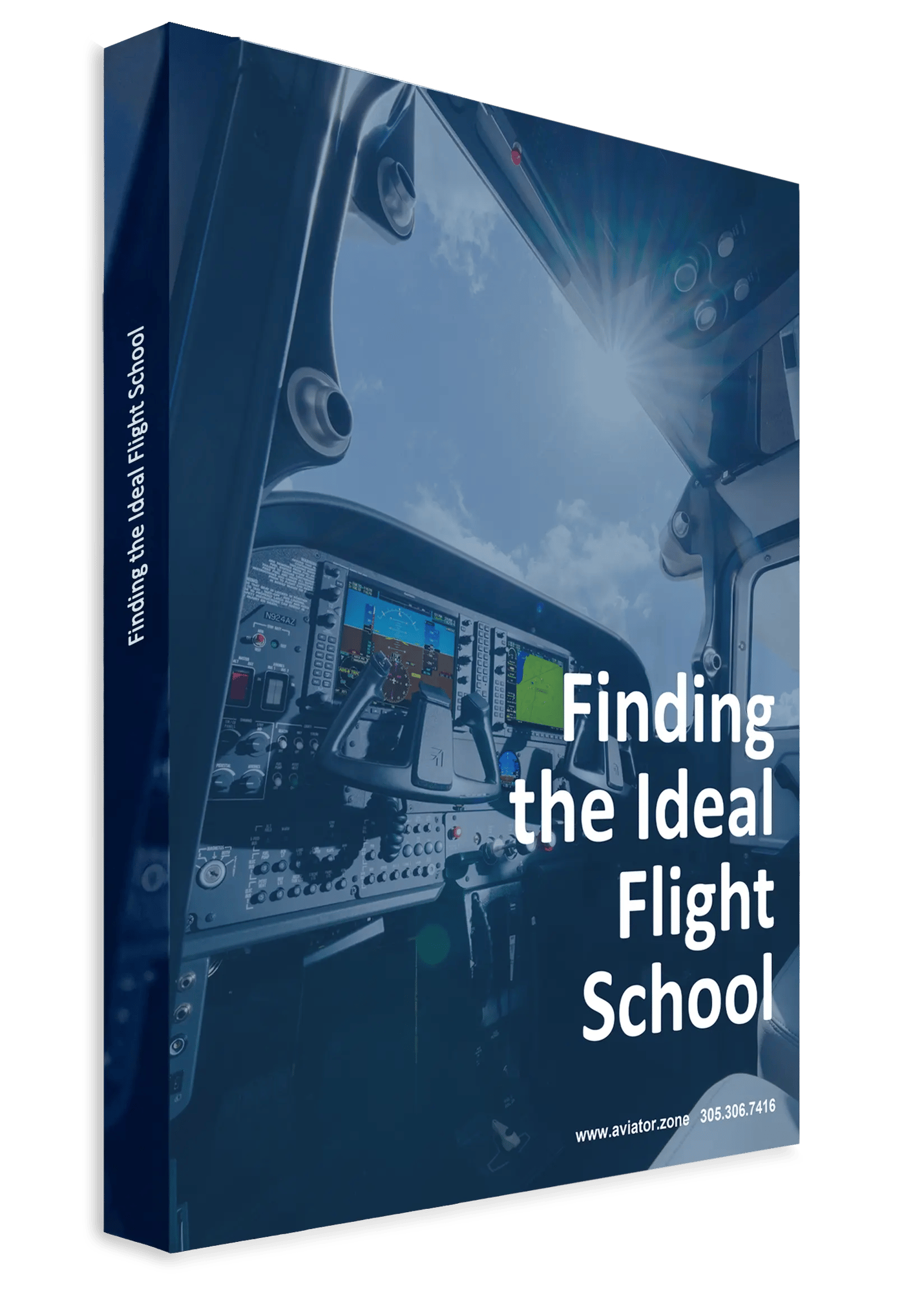
Choosing the right school is difficult when you don't know the questions to ask. Download our in-depth guide on what you need to be looking for and the questions to ask.
.png?width=156&height=44&name=Aviator%20Zone%20Academy%20(5).png)

.png?width=178&height=50&name=Aviator%20Zone%20Academy%20(5).png)